
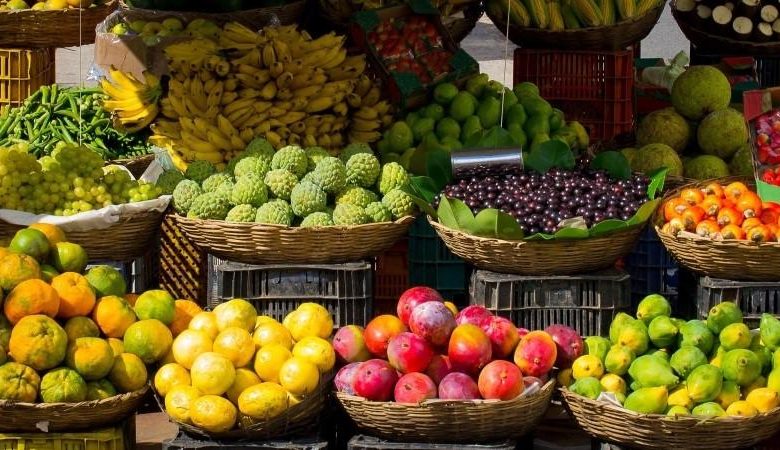
A tray of rambutans will catch the eye, but customers who have never bought them may not know what to do next. They might wonder what the fruit tastes like, how to peel it or whether it needs to ripen at home. Answering those questions is a useful part of selling something unfamiliar.
A fresh fruits exporter Thailand’s growers work with can help you choose varieties for your customers. Ask how the fruit should look and feel when it is ready to eat, and what information should go with the delivery. Your shop team will need those details too.
Show people what is inside
Whole fruit gives a display colour and shape, but it can conceal the part a customer wants to eat. A photograph of an opened rambutan makes the white flesh and central seed easier to understand. Beside a pomelo, a picture of the peeled segments helps explain what lies beneath that thick outer skin.
Keep the name close to the fruit, along with a clear price and how it is sold. People should be able to tell whether the amount shown buys one piece, a pack or a kilogram. That is helpful with unfamiliar fruit, where they may have little idea of the usual size or portion.
Tastings can give customers a more useful introduction than a long sign. If your shop offers samples, let them taste the fruit plain before suggesting other ways to serve it. A trial purchase is easier to consider when someone knows they enjoy the flavour.
Explain the flavour in familiar terms
Descriptions such as crisp, juicy, gently tart or very sweet give people something to work with. For guava sold firm, the crunch may be more helpful to mention than a string of exotic-sounding adjectives. A customer looking for a soft dessert fruit then knows to choose something else.
Be honest about differences between varieties. Not every mango is intended to be eaten soft, and a customer who expects one to ripen that way could be disappointed. Explain the fruit you are selling, including whether it is ready now or intended for later.
A simple serving suggestion can encourage a first purchase. Pomelo segments can be eaten on their own or added to a salad. Ripe papaya can be served with lime. Choose suggestions that fit the fruit and are easy to understand, so buying something new does not seem to require a complicated recipe.
Staff need a chance to try the fruit too. They will find it easier to answer questions about taste when they have eaten it themselves. Give them the preparation details as well, including which skin or seed is discarded and how to explain the edible portion.
If customers enjoy a tasting but rarely buy the fruit, ask what would make it easier to take home. They may prefer a few pieces alongside their usual shopping. Smaller packs let them try it at home without committing to a whole bag. Watch whether they return for another purchase, rather than judging success by the number of samples handed out.